

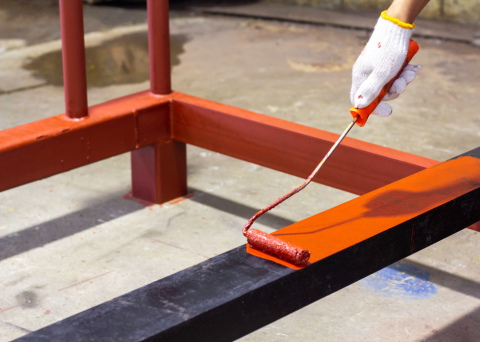
Solvent-based paints, also known as oil-based paints, are tough and versatile, making them the best choice for a lot of exterior painting projects. But they can be tricky to use, and picking the right paint isn’t always a simple decision.
So to make things easier, today we’re going to talk about the pros and cons of solvent based paint, as well as which paints are best for your particular project.
What is Solvent Based Paint?
Solvent-based paint uses a substance like white spirit or turpentine to give it extra toughness and a thicker overall compound. Water-based paint, on the other hand, uses water as its solvent, which is why it is thinner.
Solvent based paints are used for hard-wearing surfaces. This means any surface that is especially vulnerable to wear. Exterior surfaces like paths, driveways, metalwork, and wood are all exposed to the elements, so need to be treated with a paint that protects from harsh weather.
There are also interior surfaces that benefit from a solvent based paint. Flooring, for example, is easily worn by foot traffic, so needs a paint that is tougher than what you’d use on your walls or ceiling. This is especially true for industrial settings like factories, garages, and workshops, where there are wheels as well as heavy boots.
Lastly, door and window frames should be protected both inside and outside, so they look great for a long time.
The Advantages of Solvent Based Paint
The main reason to choose solvent based paint over its water-based counterparts is the toughness. Water-based paints can be pretty durable, but if you want to maximise the amount of time your surfaces are protected, solvent based paints are better.
This is why we always recommend solvent or oil-based paints for outdoor surfaces. Because the compound naturally repels other liquids, rain is unable to seep into materials like wood or stone if they have been painted. This rain is what ruins the structure of those materials from the inside; they won’t last long if you leave them unpainted.
Inside, this toughness is still very useful. These are the paints that are best for industrial settings, as well as garages and workshops. This is because they repel spillages and will be harder to scratch and scuff.
Another advantage is the time it can save. Because it is naturally thicker, you’ll only need a couple of layers of solvent-based paint. To get the equivalent durability from water-based, you’ll need 3-4 layers, plus a primer. This can add hours or days on to a big project – not ideal if you’re trying to get work done before the weather closes in. it’s slightly balanced due to the longer drying times of solvent paint, but it often works out faster for big projects. It’s also cheaper as you won’t need to use as much paint!
Finally, a lot of solvent based paints are incredibly versatile. They can be used on wood, metal, masonry, and more. So if you just want to protect surfaces, and don’t mind a repetitive colour scheme, you can make the most out of a single order.
The Disadvantages of Solvent Based Paint
The benefits of solvent based paints are plain to see, but there are some things you should know about before you place an order.
The first is that you may find the sheen options limiting. Solvent based paints are almost always high sheen, with glossy finishes that look great, but may not suit your style.
Although a few of our oil-based paints are part of our colour system, meaning you can pick any colour you’d like, this isn’t the case for all of them. Our black bitumen paint is great for flooring, but as the name suggests, it’s only available in black.
There is also the odour to consider. This puts a lot of people off using these paints; the strong odour means that interior painting is trickier, and there are some harmful VOCs that can affect people, pets, and the surrounding environment. It’s not as bad outside, but if you’re doing interior painting, make sure the space is well-ventilated while the paint dries.
Lastly, and this one won’t apply to everyone, these paints are trickier to apply than water based. You need to be more careful with the application, as cleaning oil-based paint isn’t easy, and you need to prepare the surface thoroughly regardless of the material.
But if none of the above is a problem, you’ll see great results.
The UK’s Most Trusted Paint Provider
Spend some time browsing our online store and you’ll soon see how many solvent based paints we have available. There’s no such thing as too much choice, so experienced painters can find exactly what you need.
If you’re fairly new to the world of solvent paint, we also have some great ‘all-rounders’ that will work on a number of surfaces, so you can play it safe and pick one of those. We also have plenty of online guides for more specific projects, such as painting skirting boards, doors, or masonry, if you want more suggestions.
You’ll find a lot more than just paint too. If you need painting accessories like brushes, rollers, drip trays, and more, you’ll be able to add it to your order, and everything will arrive at once. This is why tradespeople love us; we won’t make you have to wait long before you can get to work.
If you have any questions about us or our products, please don’t hesitate to get in touch. We look forward to hearing from you!