

Winter is done and dusted, and we’re already a week into Spring. The weather is getting nicer, and keen decorators and tradespeople are ready to get back to exterior painting.
There are a lot of exterior surfaces you can paint. Fences, sheds, patios, and doors are popular choices, but there are some bigger jobs that you can tackle if you fancy a real challenge this year.
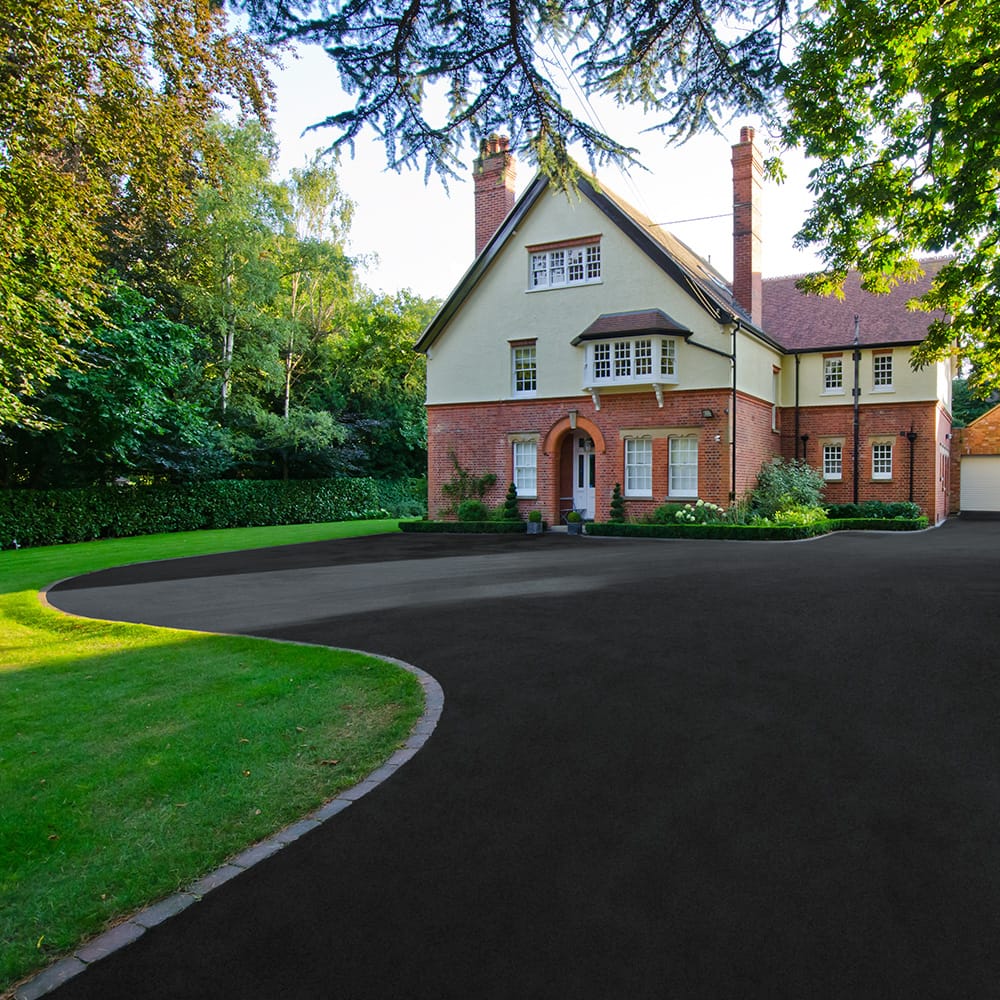
One surface we often overlook is our driveway. After years of harsh sun, rain, and plenty of foot and tyre traffic, they start to look a little worse for wear. Today we’re going to explain if you should paint a driveway, the best driveway paint for the job, and why a fresh coat is so important.
Can you Paint Driveways?
You certainly can! But before you dunk your roller in any old exterior acrylic, it’s important that you have the right paint for the job.
Tarmac or asphalt driveways need a paint that protects the surface but still allows it to breathe. A coating that is too thick will prevent it from draining water properly – and standing water will cause more wear to your driveway over time.
A driveway isn’t a surface you’ll want to paint every year; it’s a big job even for a relatively small square footage. This means that durability is the most important factor for driveway paint.
Our tarmac paint is perfect for driveways, guaranteeing great protection. It’s a water-based paint, which is often less durable than oil-based counterparts, but ours gives you bolder colours and a lower sheen, which is ideal for most driveways regardless of the material they’re made from.
The best driveway paints seep into the ‘pores’ of your driveway so that oil, water, and any other spillages can’t get in and wreak havoc. And when there are clear skies, our asphalt paint has UV protection that will prevent the colour of your driveway from fading sooner than it should.
Alternatives to Painting Driveways
We understand that painting your entire driveway is a big commitment, especially for an inexperienced decorator. But you also need to keep your drive in pristine condition, or you’ll have to pay a fortune in repairs further down the road (or driveway).
The best alternative to paint is our oil-based block paving sealer. Instead of changing how your drive looks, this enhances the natural texture thanks to its clear finish but provides all the protection you need. If you’re attached to your driveway, and it’s still in good condition, a block paving sealer is the best option.
It doesn’t just work for driveways either! Our block paving sealer is also amazing for preserving stone paths and patios. Sometimes stonework looks perfect as is, so if there are no cracks or imperfections that need fixing, a paving sealer adds durability without ruining the look of the surface.
When is the Best Time to Paint Driveways
As we mentioned, even a small driveway is a big job to commit to. This means that you need to plan your time well. Multiple layers will be needed for most driveway paints, even our oil-based sealer, so you’ll need a lot of drying time.
If you need your driveway for parking, this can be a challenge, as you’ll need to find somewhere else to keep your car(s) for a few days, and you will have to mark out a route for people to walk around. When you’re sharing your driveway with neighbours this becomes even trickier, but with fair warning and some communication it’s manageable.
To prevent the job taking longer than it should, you need the right tools. If you only have a couple of paint brushes or small rollers, it’ll be autumn by the time you’re done. Instead a large roller designed for rough surfaces and/or a paint sprayer, are the way to go. A brush will still be needed to help you get those edges spot on, but don’t use it more than you need to.
There’s no worse feeling than preparing to start a new project, only to realise that your painting equipment isn’t up to scratch. For a job like this, we always recommend picking up some brand-new rollers, brushes, and whatever else you need to help you get the best results.
The UK’s Best Driveway Paint Supplier
Our driveways are often low priority compared to decorating parts of our garden, but they deserve some love from time to time! If your home is an investment, or you just want it to look fantastic, repainting your drive every few years or so will keep it protected and looking the way you want it to, and we have the paint for you!
Paint isn’t your only option either. If you want to refresh your driveway without needing new paint, our oil-based paving sealer is all you need.
Don’t let the size of the job put you off and dive into a project that is more than worth the effort. And if you buy your paint and painting supplies from Paintmaster, we’ll be helping you out every step of the way.
FAQ's
What are the best driveway paint colours?
The best colour for your driveway mostly depends on your personal preferences, but also the style of your house.
If you want easy upkeep then the best driveway paint would be black, dark grey, or charcoal. If you’re looking for a bright and modern look then a mid or light grey driveway paint would be best. For a more neutral or warm appeal then the best driveway paint for you could be a sandstone or beige colour. And for a more unique appearance you can go for a blue or terracotta red driveway paint.
What is the best driveway paint colour for a modern look?
Typically when it comes to painting the exterior of your home, painting garden furniture, or painting fences, the best way to make them look modern is by painting them white. This is a lot different when it comes to painting driveways, as white driveway paint is probable the worst colour for driveways.
Instead of white, some of the best driveway paint colours to make your drive look modern and sleek are charcoal, mid grey and light grey. The lighter the shade of grey you go for, the more you’ll have to clean it to maintain the slick modern appearance.
What's the best driveway paint colour for old tarmac?
Fresh tarmac has a crisp shiny black appearance that over time, fades into a dull grey. So to make your driveway look brand new and freshly tarmacked again, painting your driveway black is a great option. The drawbacks with black driveway paint is that just like tarmac, it does start to turn grey over time. It also shows dust more than lighter shades, and can get quite hot in summer, however that isn’t too much of an issue in the UK.
Why should you avoid white driveway paint?
Whilst white driveway paint may look sleek and modern at first, over time there’s a lot more trouble than it’s worth. Firstly, white driveways show every mark instantly, whether that’s mud, tire marks, or algae. This means you’ll have to pressure wash your driveway a lot more often than you’d expect, particularly due to the weather in the UK which causes green algae and dark patches from moisture.
White driveways also reflect a lot of sunshine which causes a glare that can be distracting and even slightly blinding when reversing or parking. However, this may not be an issue for very long as white oil based paints tend to yellow over time, and as we’ve mentioned the best driveway paints are oil based.
We haven’t even mentioned how there can be stains that can’t be removed like oil and rust, which soak into the paint. So overall there’s very little upside to all of the downsides.